Why You Should Always Follow Up (Even When It Feels Uncomfortable)
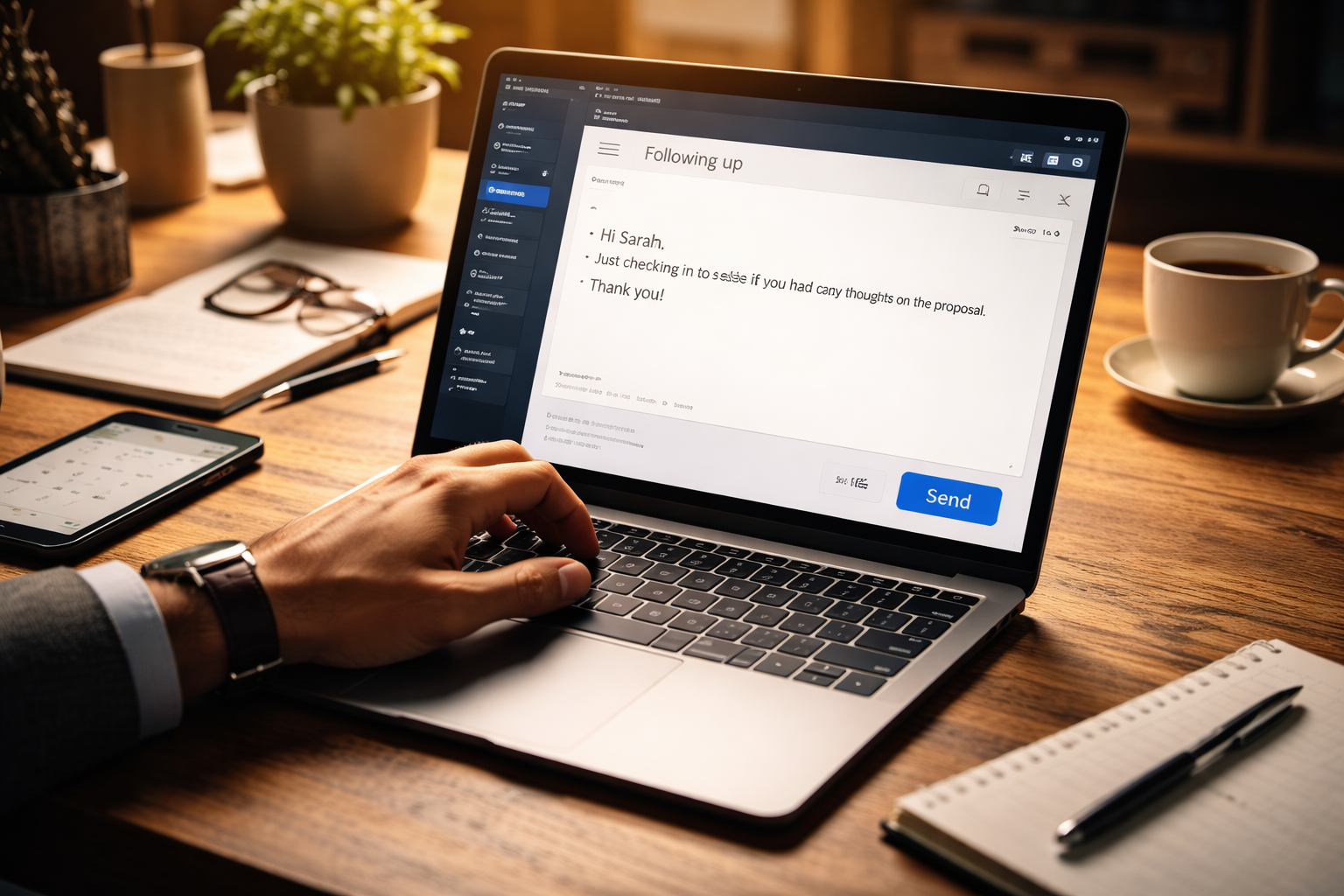
You make the introduction, send the email, share the proposal, and publish the idea.
Then you wait.
Days pass. Maybe weeks.
No response.
At some point, a question surfaces: Should you follow up, or let it go?
Most professionals hesitate here. They don’t want to seem pushy, risk damaging the relationship, or cross an invisible line.
But in truth, thoughtful persistence is not pestering. It’s a sign of professionalism.
Silence Rarely Means “No”
When someone doesn’t respond, it’s easy to interpret it personally.
Maybe they weren’t interested. Perhaps you misjudged the timing. Or maybe your message wasn’t strong enough.
But silence usually has a simpler explanation: people are busy.
Inbox volume is constant. Priorities shift daily. Even important messages get buried.
If you don’t follow up, you’re not being respectful; you’re leaving opportunity to chance.
Following up isn’t an intrusion. It’s a reminder.
Respectful Persistence Builds Momentum
Opportunities are rarely secured through one touchpoint. Most decisions require multiple exposures.
You need to show up again. Reinforce context. Restate value.
That doesn’t mean repeating yourself aggressively. It means re-entering the conversation thoughtfully.
A well-timed follow-up signals seriousness. It communicates that you value the opportunity enough to stay engaged.
That signal matters.
Persistence Filters Interest
If you follow up and receive a clear “no,” you gain clarity.
If you follow up and receive engagement, you gain traction.
But if you never follow up, you stay in ambiguity. And ambiguity drains momentum.
Following up shortens the feedback loop. It moves conversations forward, in one direction or another.
Progress requires motion.
The Fear of Being “Annoying”
Many professionals avoid follow-ups because they fear being perceived as annoying. But annoyance rarely stems from a single respectful message. It stems from tone, timing, and disregard for context.
If your follow-up acknowledges their schedule, restates the value clearly, and leaves space for decline, it should be received well.
Confidence in follow-up often reflects confidence in your value. So if you believe what you’re offering matters, staying present is logical.
Attention Is Scarce
You’re operating in an environment of constant distraction; even well-intentioned people forget. Interested parties may delay.
Following up isn’t about forcing attention. It’s about re-entering awareness.
A short message can surface your proposal back to the top of the inbox. It can reignite a conversation that stalled due to timing, not disinterest.
Attention is limited. Strategic reminders help allocate it.
Opportunity Favors the Consistent
When you show up consistently, you signal reliability.
Reliability builds trust.
If you disappear after one unanswered email, your presence feels tentative. If you follow up respectfully, your presence feels steady.
Steady professionals are easier to work with than uncertain ones.
Consistency reinforces credibility.
The Follow-Up Is Part of the Process
Closing a deal, securing a meeting, and building a partnership are all outcomes that rarely happen in one exchange.
You wouldn’t publish one post and expect authority. You wouldn’t attend one event and expect influence.
Yet many professionals expect one message to secure a result.
Follow-up is not extra effort. It’s built into the process.
Timing Changes Everything
The difference between “I’m not interested” and “I’m ready now” is often timing.
Circumstances shift. Budgets open. Priorities evolve. New needs surface.
If you followed up too early once, it doesn’t mean you shouldn’t follow up again later.
Persistence allows you to intersect with the right moment. Without it, you miss the window entirely.
Reframe the Narrative
Instead of worrying if a gentle follow-up will annoy a prospect, ask yourself: “Is this valuable? Clear? Respectful?”
If the resounding answer is yes, feel confident in your follow up.
Reframing removes emotional weight from the action.
You’re not chasing, you’re clarifying. So you won’t be pestering, you’ll be progressing.
How to Follow Up Strategically
Clarity reduces friction. A thoughtful persistence follows a few principles:
- Keep it concise.
- Restate the original context.
- Highlight the benefit clearly.
- Provide an easy way to respond, including a graceful out.
Here’s an example: “Hey, I’m circling back in case this got buried. If this isn’t a priority right now, just let me know.”
This messaging acknowledges busyness, clarifies your intent, and reduces pressure.
Persistence Builds Confidence
Each time you follow up respectfully, you strengthen your own conviction and reinforce that your work deserves attention.
That internal shift matters.
If you hesitate to follow up, it often signals doubt in your offering. But when you stand behind your value, persistence becomes natural, not forced.
The Long-Term Advantage
Professionals who consistently follow up gain a quiet advantage. They close more loops, convert more conversations, and reduce ambiguity faster.
Not because they’re aggressive. Because they’re disciplined. Over time, that discipline compounds.
Opportunities that might have faded resurface. Conversations that might have stalled progress.
Small follow-ups create large differences.
The Strategic Balance
Persistence does not mean pressure. It means presence.
It means knowing when to re-engage and when to step back; recognizing that silence is often logistical, not personal.
If you approach follow-up with clarity and respect, you will strengthen your brand significantly. Not damage it.
You don’t need to send 10 messages in a week. You do need to avoid disappearing prematurely.
Following up is not a sign of desperation. It’s a signal of professionalism.
It communicates commitment, reduces uncertainty, and moves conversations forward.
In a world where attention is fragmented and decisions are delayed, the professionals who progress are rarely the loudest.
They’re the most consistent.
If the opportunity matters, follow up. Because thoughtful persistence doesn’t repel opportunity.
It creates it.